
New Information Paradigm and the Fall of Incumbents
How changes in how we take in information have brought us to this moment

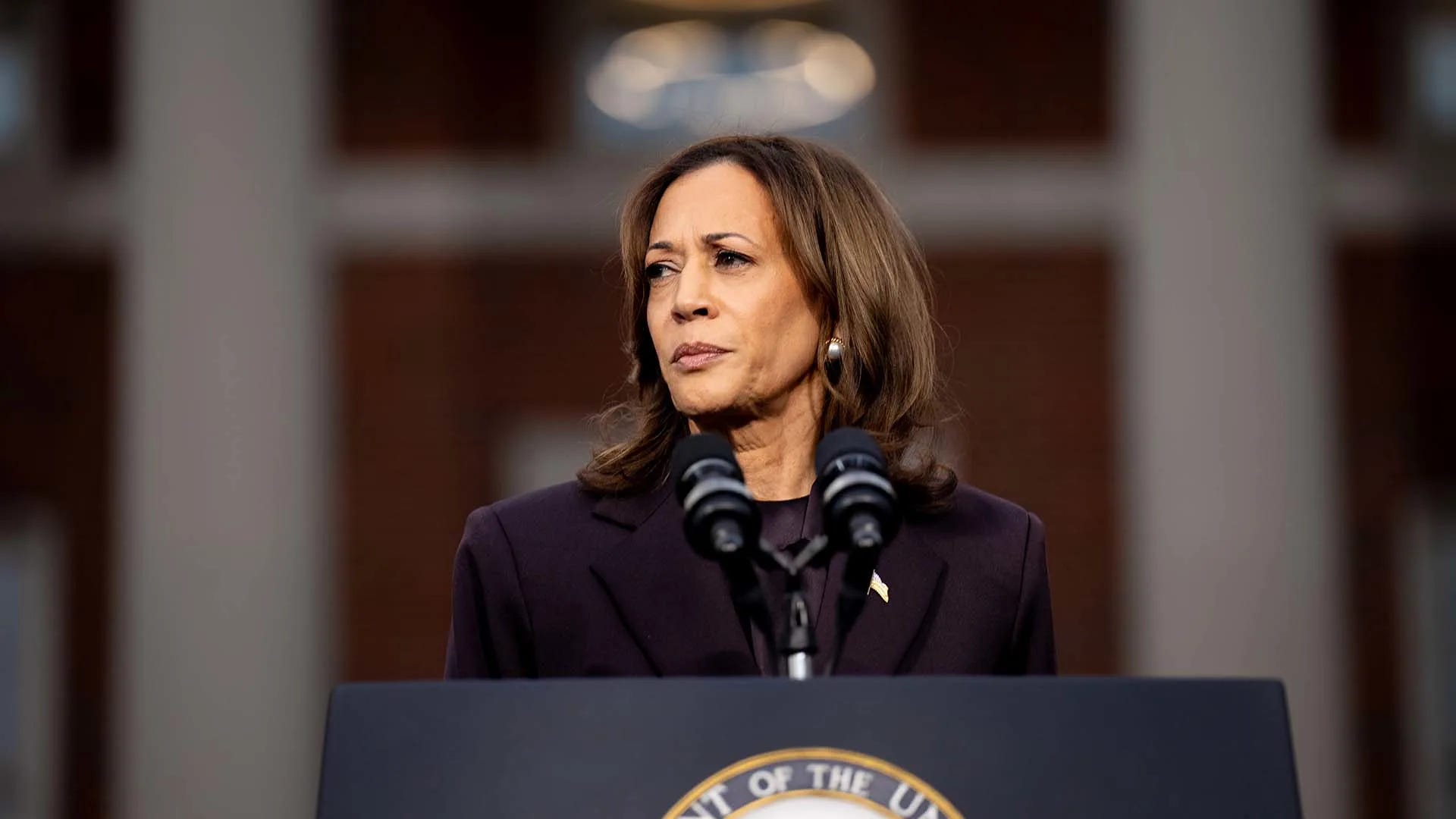
Donald Trump will be America’s next president. How did we get here, and where do we go from here?
I won’t claim that I saw this coming. The polls indicated that it would be close, but in my heart I was optimistic. I believed in the Selzer poll, I figured that the widespread herding we’ve seen from most pollsters would be biased towards Trump because they didn’t want to underestimate him again like in previous elections, and most of all I wanted to believe that my country wouldn’t go back to someone who I personally find repulsive.
But the people have now spoken, and it’s important that those who want a progressive future listen. What lessons should they take away? This post will be the first in a series dealing with the results of the most recent election. Here I will focus on big picture questions surrounding the international political environment and how our changing methods of consuming information have influenced it. Subsequent posts will deal with the Harris campaign, Democratic politics more broadly, and how the Democratic party can adapt to be competitive in the coming years.
Internationally, the 2024 election cycle has been unprecedented in just how difficult it has been for the incumbents.

This graph should speak for itself. Relative to our international peers of highly developed democracies, America’s incumbents actually did a pretty good job. But the world was not in the mood to maintain the status quo, no matter what that status quo looks like. Moderate to liberal parties like Macron’s Renaissance and Harris’ Democrats have struggled, of course, but these struggles extend even to illiberal nationalist parties like Viktor Orban’s Fidesz in Hungary. Hungary has seemed like a democracy-in-name-only since Orban came to power over a decade ago, but this year they had their first broadcasted debate between candidates in eighteen years. Now Orban’s party is losing in a recent poll by seven points nationally.
So why have incumbents struggled? One answer is the economy. Many of these developed countries have had stagnant economic growth, and high inflation to boot. But this answer doesn’t cleanly fit the result for the Democrats. America has actually thrived economically during Biden’s tenure, with full employment and robust growth in GDP, real wages, and the stock market. The only area in which America has struggled is inflation; and even the inflation rate has gone down to a perfectly reasonable 2.4% over the last year. It was high before, but that was the tradeoff Democrats made to avoid recession. But they haven’t reaped the political benefits from the material upside to that tradeoff; even as economic indicators have swung up dramatically, public opinion on the economy has lagged far behind.

Perhaps people just really hate inflation. Some people are writing the history of this election cycle internationally in such terms, and I’m sure inflation has played a part. But I think that the larger issue that was facing incumbents all over the world is that the manner in which we consume information has changed dramatically over the last ten years, and we’ve reached a tipping point.
We’re far from the days of everyone reading the same headlines on their newspapers when they get up in the morning. The internet not only allows us to find communities of people who believe the same things as us but guides that process, algorithmically shoving young men towards Andrew Tate and young women towards #edtwt. Increasingly, each one of us lives in our own island, with a personalized interface through which we view the world around us.
Our modes of relating to others have fundamentally changed; and our politics with it. Of all people, Hank Green got it right when he showed up on my Twitter timeline, ascribing the incumbent Democratic party’s unpopularity in the face of strong fundamentals to the fact that “we are living through [a] gutenberg-level communications revolution and it's going to continue to get worse before it gets better.”
What features does this communications revolution have? For one thing, there are less progressive voices in the alternative media spaces that are winning the day. In recent days, many progressives have asked: where is our Joe Rogan? Well, the left’s tendency to eat its own through purity testing makes it difficult for any such figure to arise. The left too often lacks tolerance for the sorts of free-wheeling, caustic personalities that are typically rewarded in the competition for attention on the internet.

Two things are simultaneously true. Our established cultural institutions (Hollywood, mainstream journalism, etc.) are firmly liberal, and yet the cultural forces that are most able to win over people’s hearts are not. More than ever, people are forming parasocial relationships with the sources of their information, and because of the synthesis of click-maximizing algorithms and human nature those voices tend to be irreverent and anti-establishment if not downright conservative.
And with the dominance of those anti-establishment voices, the more mainstream cultural institutions are losing their cachet. Trust in mass media has been declining for decades, and now even the “mainstream” media that people consume is often nakedly partisan, whether that’s Fox or MSNBC.

Meanwhile, what’s the answer for mainstream news organizations? How can they possibly regain the trust of the public, in America or abroad?
Margaret Sullivan, former public editor for the New York Times, has written extensively on the role of journalism in democracy. She regularly decries “false balance” in news coverage of Donald Trump. I recently attended a talk she gave in which a line was drawn between a newspaper being trusted and the newspaper being trustworthy. For Sullivan, a newspaper’s job is simply to tell the truth, which is what makes them trustworthy. If the public has moved away from being ready to hear that, which by all appearances they have, then that’s simply on the public.
In my estimation, a newspaper’s job is to make a difference by telling the truth, which requires that the public places trust in them. Like Sullivan, I don’t love headlines that sanitize Trump’s behavior. But there must be something that newspapers can do to earn back the people’s trust even in this information environment. I think newspapers should optimize on being both trusted and being trustworthy, as best they can.
When I privately asked Margaret Sullivan after her talk what she thinks newspapers can do in the face of plunging public trust, she said she didn’t think there was anything they could do at all.
I don’t have an easy fix for plunging trust in the media either, but I know that some sort of fix is necessary. Newspapers need to invest serious resources in meeting people where they are. Like Sullivan, I believe strongly in the importance of a free press for upholding democracy, but if the free press is ignored then it won’t be able to uphold much.
So what does this shift in our information environment mean for the future? The key question is whether this change fosters discontent against the incumbent party, whether they’re left, right, or center, or instead positions antidemocratic leaders and ideas to thrive. If the latter is true, then that may mean that the future holds the fall of the liberal international order.